
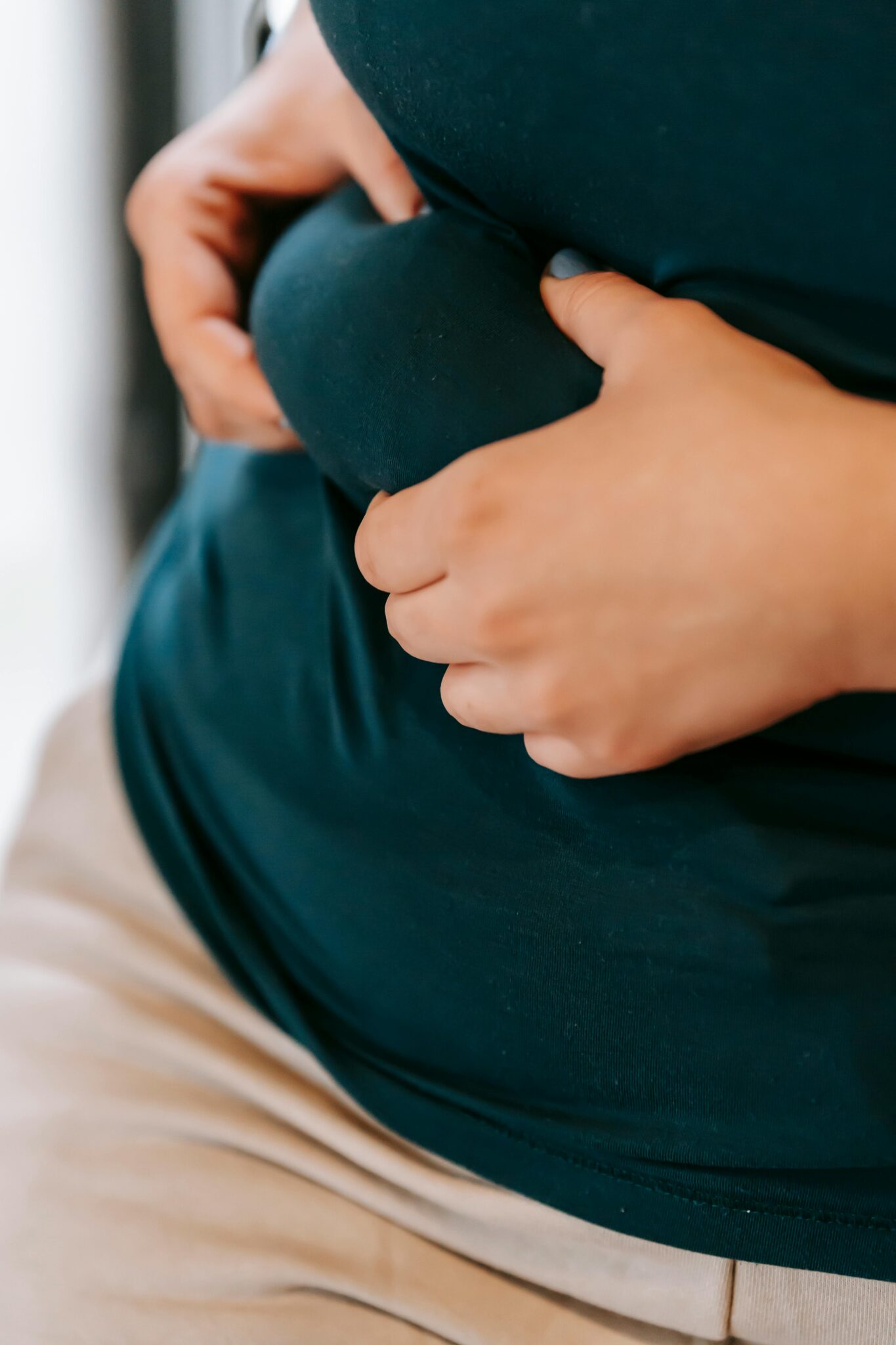

Stop allowing the scale to be your judge and jury. Your body is intelligent and capable—trust its signals of health rather than an arbitrary number.
Christiane Northrup

Many people only focus on the weight scale when losing weight. They feel anxious when the number goes up and give up when it doesn’t move. This is actually a typical cognitive misunderstanding. The core of weight loss is not “starving to lose weight”, but establishing a reasonable calorie deficit. This deficit needs to be controlled at 300-500 kcal per day to balance fat loss efficiency and physical health. Blindly pursuing a large calorie deficit will not only easily lead to muscle loss and decreased metabolism, but also may cause health problems such as hair loss and irregular menstruation. In fact, the amount of muscle directly affects the basal metabolic level. At the same weight, people with higher muscle content have higher basal metabolism and are less likely to gain weight. This is one of the key reasons why some people “never get fat no matter what they eat” while others “gain weight even drinking water”.
In addition to weight, these two indicators can better reflect the effect of weight loss: first, body fat percentage. The recommended body fat percentage for normal adult women is 20%-28%, and for men is 15%-20%. A decrease in body fat percentage means that real fat is decreasing; second, waist circumference. A waist circumference of ≥85cm for women and ≥90cm for men is considered central obesity. Reducing waist circumference can often reduce health risks more than losing weight, because excessive abdominal fat will compress internal organs and increase the risk of chronic diseases such as cardiovascular diseases and diabetes. Many people’s weight does not change in the early stage of weight loss, but their body fat percentage decreases and waist circumference becomes smaller. This is actually the body becoming tighter, which is a benign progress. At this time, you should not feel anxious because the weight number stagnates.
Measurement suggestions: Measure body fat percentage once a week at a fixed time (such as fasting in the morning) and fixed state to avoid data deviation caused by eating, exercise and water changes; measure waist circumference at the level of the navel, accurate to 0.1cm each time, and judge progress through weekly average data to avoid anxiety due to daily fluctuations. In addition, it is not recommended to weigh yourself every day. Affected by factors such as food residues, water retention, and muscle congestion after exercise, daily weight fluctuation of 1-2kg is normal. Frequent weighing will only increase anxiety and affect the weight loss mindset. In addition to body fat percentage and waist circumference, you can also pay attention to data such as muscle mass and basal metabolic rate displayed by the body fat scale, comprehensively evaluate the weight loss effect, and establish a more comprehensive and rational understanding of weight loss.